

What is a Traumatic Injury?
Types of Traumatic Injuries
Fractures
Broken bones caused by impact or accidents.
Soft Tissue Injuries
Damage to muscles, ligaments, tendons, or skin.
Head Injuries
Trauma affecting the brain or skull.
Head Injuries
Trauma affecting the brain or skull.
Hand and Limb Injuries
Severe injuries involving fingers, hands, arms, or legs.
Burn Injuries
Damage caused by heat, electricity, chemicals, or radiation.
Nerve Injuries
Trauma affecting sensation or movement.
Crush Injuries
Severe tissue damage caused by heavy pressure or compression.
Why Consider Traumatic Injury Treatment?
Treatment may be necessary to:
- Relieve pain and discomfort
- Repair damaged tissues or bones
- Prevent infection and complications
- Restore movement and function
- Improve healing and recovery
- Reduce permanent disability
- Improve quality of life
Early diagnosis and treatment can significantly improve recovery outcomes.
Benefits of Traumatic Injury Treatment
- Faster healing and recovery
- Pain relief
- Restoration of mobility and function
- Reduced risk of complications
- Improved physical strength
- Better cosmetic and functional outcomes
- Enhanced overall well-being
The Procedure / Treatment
Treatment for Traumatic Injury depends on the severity and type of injury.
Common treatments include:
- Emergency medical stabilization
- Imaging tests such as X-rays or scans
- Wound cleaning and infection control
- Fracture fixation or orthopedic surgery
- Reconstructive or plastic surgery
- Microsurgery for nerves and blood vessels
- Pain management and medications
- Physiotherapy and rehabilitation
Book Your Procedures Now
Our Services
Face
Breas-T
Body
Skin
Recovery & Results
Recovery depends on the extent of the injury and treatment provided.
- Minor injuries may heal within weeks
- Severe trauma may require long-term rehabilitation
- Physiotherapy helps restore strength and movement
- Proper follow-up improves healing outcomes
- Recovery may continue gradually over several months
Is Traumatic Injury Treatment Safe?
Yes. Traumatic Injury Treatment in Jaipur is generally safe when performed by experienced medical professionals using modern treatment techniques. Depending on the injury, treatment may involve wound management, reconstructive surgery, microsurgery, and rehabilitation to promote healing and restore function. Careful monitoring and appropriate follow-up help minimize complications and support successful recovery.
Severe injuries may require multidisciplinary care and close monitoring.
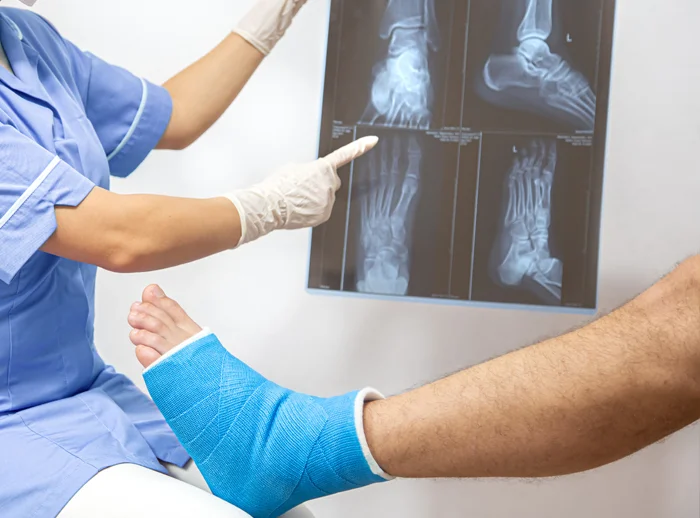
Complex traumatic injuries often require a multidisciplinary approach to restore both function and appearance. At Purple Heron Hospital Jaipur, Dr. Nitesh Lamoria provides advanced reconstructive care for soft tissue injuries, nerve damage, burns, and other complex traumatic conditions. Using modern surgical techniques and personalized treatment planning, the focus is on achieving optimal recovery, improved function, and long-term quality of life.
FAQs About Traumatic Injury Treatment in Jaipur
Traumatic injuries can result from road accidents, falls, sports injuries, burns, workplace accidents, or violence.
Immediate medical attention is needed for severe pain, bleeding, fractures, head injuries, breathing difficulty, or loss of consciousness.
Many injuries heal successfully with proper treatment, though recovery depends on severity
No, some injuries can be treated without surgery, while severe injuries may require surgical repair.
Physiotherapy is often essential for restoring movement, strength, and function.