


Skin Pigmentation Treatment in Jaipur
What is Skin Pigmentation Treatment ?
1. Sunspots
2. Melasma
3. Post-inflammatory pigmentation (after acne or injury)
4. Age spots
5. Freckles
Early diagnosis and professional treatment help prevent worsening of the condition.
Types of Skin Pigmentation Treatment
Chemical Peels
Chemical peel helps exfoliate pigmented skin layers and stimulate new cell growth.
Laser Therapy
Laser treatments target excess melanin and break down dark patches for gradual lightening.
Medicated Topical Treatments
Prescription creams containing ingredients like retinoids and skin-lightening agents help control melanin production.
Microneedling
Stimulates collagen production and improves uneven pigmentation and skin texture.
PRP (Platelet-Rich Plasma)
Enhances skin healing and promotes a brighter complexion.
Book Your Procedures Now
Beauty by Future Standards
Skin Pigmentation Treatment
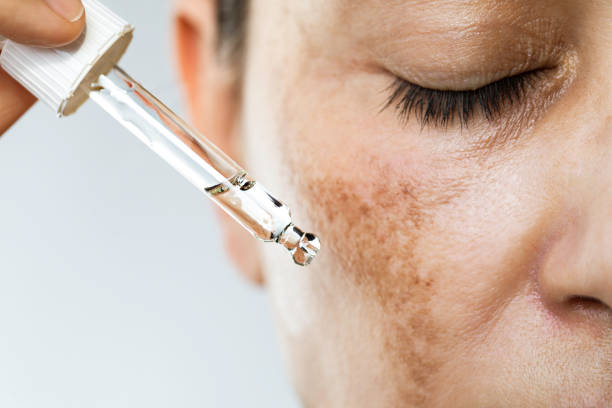
Skin Pigmentation Treatment
About Skin Pigmentation Treatment
Why Choose Skin Pigmentation Treatment?
- Expert Skin Analysis
- Customized Treatment Approach
- Advanced Technology
- Focus on Root Cause Treatment
Skin Pigmentation Treatment – FAQs
Skin pigmentation treatment helps reduce the appearance of dark spots, uneven skin tone, melasma, sunspots, and other forms of hyperpigmentation.
Pigmentation can be caused by sun exposure, hormonal changes, acne or skin inflammation, certain medications, genetics, and other underlying skin conditions.
Depending on the cause and type of pigmentation, treatment may include topical creams, chemical peels, laser treatments, medical facials, and other dermatologist-recommended procedures.