
Acne Treatment in Jaipur
What is Acne Treatment ?
Types of Acne Treatment
Medical Treatment
Prescription creams, oral medications, antibiotics, and retinoids help reduce inflammation and bacterial growth.
Chemical Peels
Medical-grade peels remove dead skin cells, unclog pores, and improve skin texture.
Laser & Light Therapy
Advanced laser treatments target acne-causing bacteria and reduce oil production.
Acne Scar Treatment
For post-acne scars, treatments like microneedling, laser resurfacing, and subcision can improve skin smoothness.
Hydra Facial for Acne-Prone Skin
Deep cleansing and hydration treatments help maintain clear skin.
Book Your Procedures Now
Beauty by Future Standards
Acne Treatment
Acne Treatment in Jaipur
About Acne Treatment
Why Choose Acne Treatment?
- Expert Skin Specialists
- Personalized Treatment Plans
- Advanced Technology & Procedures
- Focus on Root Cause Treatment
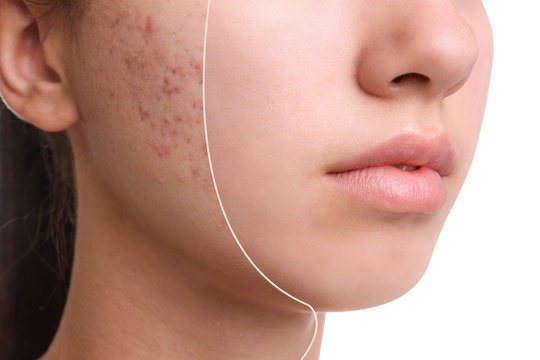
Acne can range from mild breakouts to severe cystic lesions that affect both skin health and confidence. Modern dermatology offers effective solutions for active acne as well as acne scars through treatments such as chemical peels, microneedling, laser resurfacing, and light therapy. These procedures help improve skin texture, reduce pigmentation, and support healthy collagen production for smoother skin.
The success of Acne Treatment in Jaipur depends on early diagnosis and a personalized treatment plan. Since every skin type responds differently, professional evaluation is essential for selecting the most appropriate treatment. Dr. Nitesh Lamoria recommends customized solutions based on individual skin concerns to help patients achieve clearer, healthier, and more confident skin with long-lasting results.
Our Services
Plastic Surgery
Facial Plastic Surgery
Breast Surgery
Body Contouring
Hair Restoration
Microsurgery & Hand
Gender Affirmation Surgery
Genital & Penile Reconstruction
Skin, Scar & Laser Treatments
Non-Surgical Aesthetics & Injectables
Acne Treatment – FAQs
Acne treatment is designed to control breakouts, reduce inflammation, unclog pores, and improve acne-related marks and skin texture.
Acne can be caused by excess oil production, clogged pores, hormonal changes, bacteria, genetics, stress, and certain skincare or cosmetic products.
Depending on the severity and type of acne, treatment may include topical medicines, oral medications, chemical peels, laser or light-based treatments, and other dermatologist-recommended procedures.