
What is Regenerative Medicine?
Types of Regenerative Medicine Treatments
Stem Cell Therapy
Uses specialized cells to support tissue repair and healing.
Platelet-Rich Plasma (PRP) Therapy
Uses concentrated platelets from the patient’s blood to accelerate healing.
Tissue Engineering
Development of biological tissues to repair damaged body parts.
Growth Factor Therapy
Uses natural proteins that stimulate cell growth and recovery.
Regenerative Orthopedic Treatments
Helps repair muscles, tendons, ligaments, and joints.
Wound Healing and Skin Regeneration
Supports recovery of chronic wounds, burns, and damaged skin.
Why Consider Regenerative Medicine?
You may consider regenerative medicine for:
- Joint pain or arthritis
- Sports injuries
- Tendon or ligament damage
- Chronic wounds or burns
- Nerve injuries
- Degenerative conditions
- Delayed healing after injury or surgery
- Tissue or cartilage damage
These treatments aim to improve healing naturally and reduce the need for major surgery in some cases.
Benefits of Regenerative Medicine
- Promotes natural healing
- Supports tissue repair and regeneration
- Minimally invasive treatment options
- Reduced pain and inflammation
- Faster recovery in many cases
- Improved mobility and function
- Lower risk of major surgery for selected conditions
- Personalized treatment approaches
The Procedure / Treatment
The procedure depends on the type of regenerative treatment being performed.
Generally, the process includes:
- Medical evaluation and diagnosis
- Collection of blood, cells, or tissue if required
- Preparation of regenerative materials
- Injection or application to the affected area
- Monitoring and follow-up care
- Rehabilitation or physiotherapy if needed
Most regenerative procedures are minimally invasive and performed on an outpatient basis.
Book Your Procedures Now
Our Services
Face
Breas-T
Body
Skin
Recovery & Results
Recovery varies depending on the condition and treatment method.
- Mild swelling or soreness may occur temporarily
- Many patients gradually notice pain relief and improved function
- Healing may continue over several weeks or months
- Regular follow-up improves treatment outcomes
- Healthy lifestyle habits support recovery and regeneration
Is Regenerative Medicine Safe?
Yes, Regenerative Medicine is generally considered safe when performed by qualified medical professionals using approved techniques and proper patient evaluation.
As with any medical treatment, results may vary depending on the patient’s condition, overall health, and the type of therapy used.
FAQ
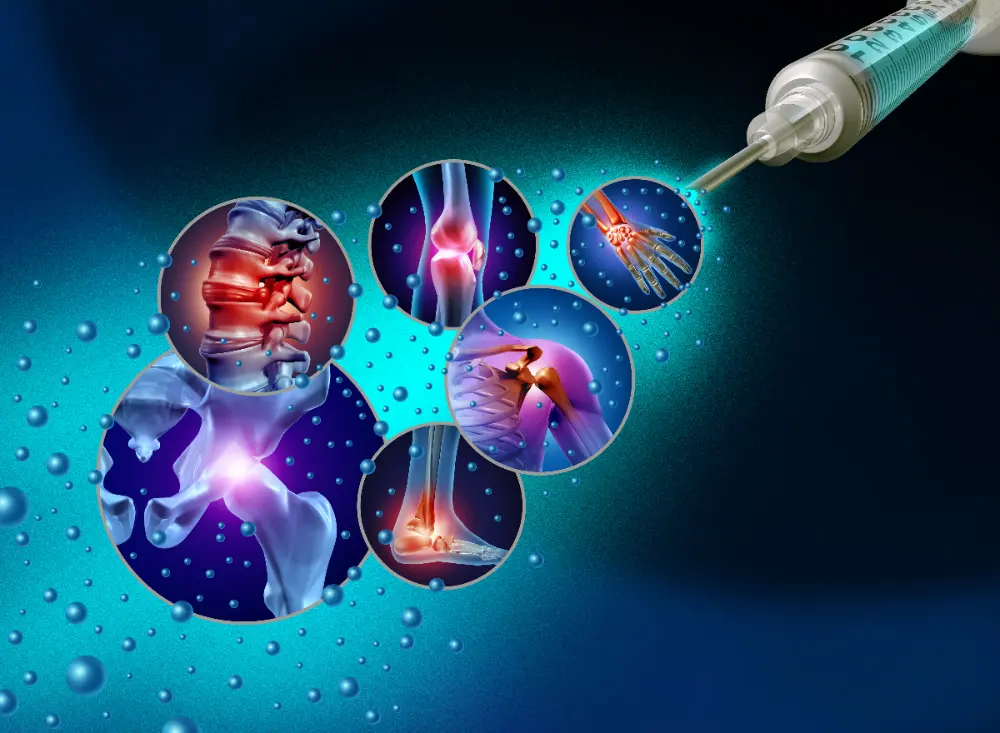
It may help with joint pain, arthritis, sports injuries, tendon damage, nerve injuries, chronic wounds, and tissue repair.
Most treatments involve minimal discomfort and are performed using minimally invasive techniques.
Recovery depends on the condition and treatment type, but many patients resume normal activities within a few days.
Many regenerative therapies are non-surgical or minimally invasive.
Some patients notice improvement within weeks, while full healing may take several months.
Suitability depends on the patient’s medical condition, age, and overall health, which are evaluated during consultation.