


What is Joint Replacement Surgery?
Types of Joint Replacement Surgery
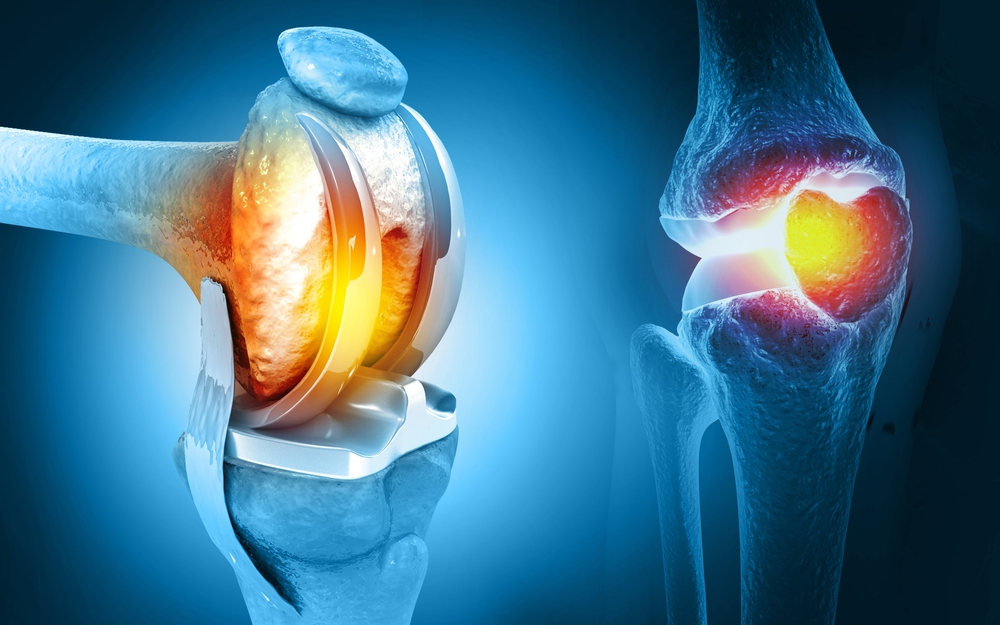
Knee Replacement Surgery
Replacement of damaged knee joint surfaces with artificial implants.
Hip Replacement Surgery
A procedure to replace the damaged hip joint for improved mobility and pain relief.
Shoulder Replacement Surgery
Replacement of damaged shoulder joint components.
Elbow Replacement Surgery
Performed for severe elbow arthritis or joint damage.
Partial Joint Replacement
Only the damaged part of the joint is replaced.
Revision Joint Replacement
A second surgery performed to replace or repair an existing joint implant.
Why Consider Joint Replacement Surgery?
You may consider joint replacement surgery if you experience:
- Severe joint pain
- Difficulty walking or moving
- Joint stiffness
- Limited mobility
- Chronic arthritis
- Joint deformity
- Failure of medications or physiotherapy to provide relief
- Reduced quality of life due to joint problems
Benefits of Joint Replacement Surgery
- Significant pain relief
- Improved joint movement and flexibility
- Better mobility and independence
- Improved quality of life
- Increased ability to perform daily activities
- Long-lasting joint function
- Enhanced physical comfort and confidence
The Procedure / Treatment
The procedure for Joint Replacement Surgery generally includes:
- Medical evaluation and imaging tests
- Administration of anesthesia
- Removal of damaged joint surfaces
- Placement of artificial implants
- Closure of the surgical site
- Post-operative rehabilitation and physiotherapy
Modern techniques may include minimally invasive or robotic-assisted surgery for improved precision.
Book Your Procedures Now
Our Services
Face
Breas-T
Body
Skin
Recovery & Results
Recovery depends on the type of joint replacement and overall patient health.
- Walking and movement may begin within a short time after surgery
- Physiotherapy is important for recovery
- Pain and stiffness gradually improve
- Most patients regain better mobility and function
- Full recovery may take several weeks to months
Is Joint Replacement Surgery Safe?
Yes, Joint Replacement Surgery is generally considered safe when performed by experienced orthopedic surgeons. Advanced surgical techniques and modern implants help improve safety, durability, and recovery outcomes.
Possible risks may include infection, blood clots, stiffness, or implant-related complications, which are usually manageable with proper care.
FAQ
People with severe arthritis, joint damage, chronic pain, or reduced mobility may benefit from joint replacement surgery.
It can occur due to lymphatic system damage from surgery, cancer treatment, infection, injury, or inherited conditions.
Yes, physiotherapy is essential for restoring movement, strength, and flexibility.
Many patients begin walking with support within a day or two after surgery.
Anesthesia is used during surgery, and post-operative pain is managed with medications and rehabilitation.